Teaching
A look at my approach to design and communications education, with a focus on innovation, accessibility, and real-world application.
With 16+ years of experience as a designer, educator, strategist, and nonprofit leader, I offer consulting services that fuse visual storytelling, digital transformation, and strategic thinking. Whether you’re launching a product, rebranding an institution, building a curriculum, or leading a community initiative—I bring clarity, creativity, and structure to help you move forward with confidence.
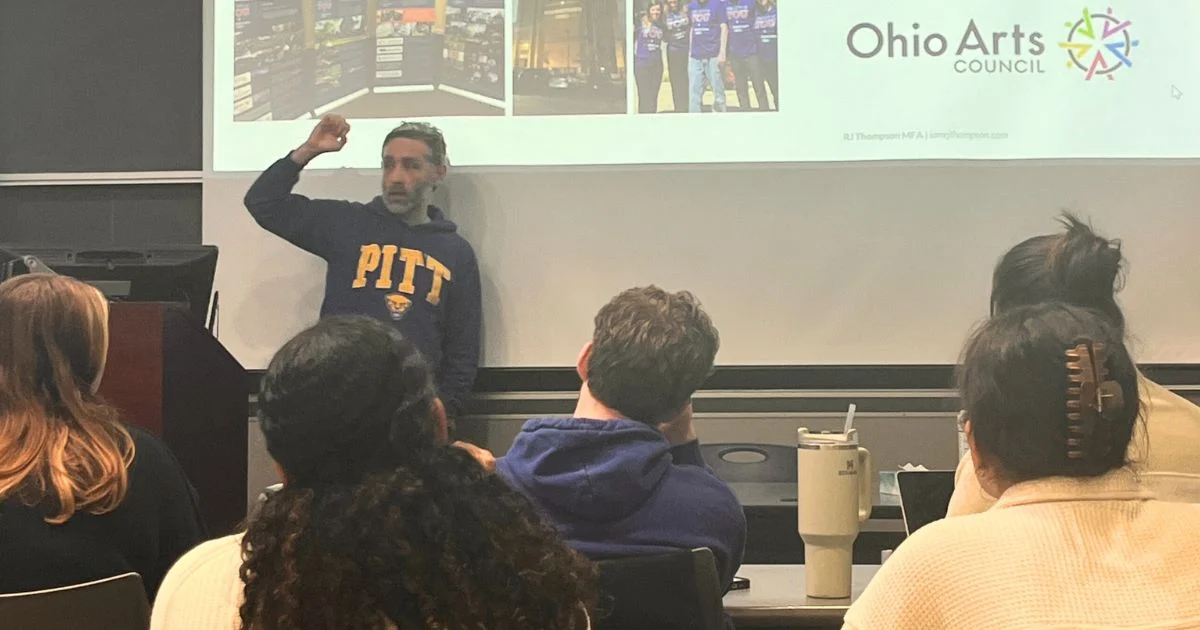
Teaching Experiences
Experience at a Glance
-
16+ years of university-level teaching
-
Courses taught across design, marketing, communications, digital media, and UX/UI
-
Faculty roles at institutions including:
-
University of Pittsburgh
-
West Virginia University
-
Community College of Allegheny County
-
Point Park University
- Western Kentucky University
-
Youngstown State University (tenured)
-
Carnegie Mellon University
- La Roche University
-
Courses Taught
Graphic & Interactive Design
-
Branding & Visual Identity
-
Typography
-
Design Systems
-
Interaction Design
-
Web Design & Development
-
Design Portfolio Development
- Professional Practices
- Advanced Web Design
Marketing & Strategy
-
Digital Marketing Fundamentals
-
Campaign Strategy
-
Social Media Marketing
-
Brand Storytelling
-
AI in Marketing
-
Integrated Marketing Communications
Communication & Media
-
Emerging Media and the Market
-
Visual Communication
-
Professional Writing for Creatives
-
Interactive Storytelling
-
Digital Narrative and Critical Making
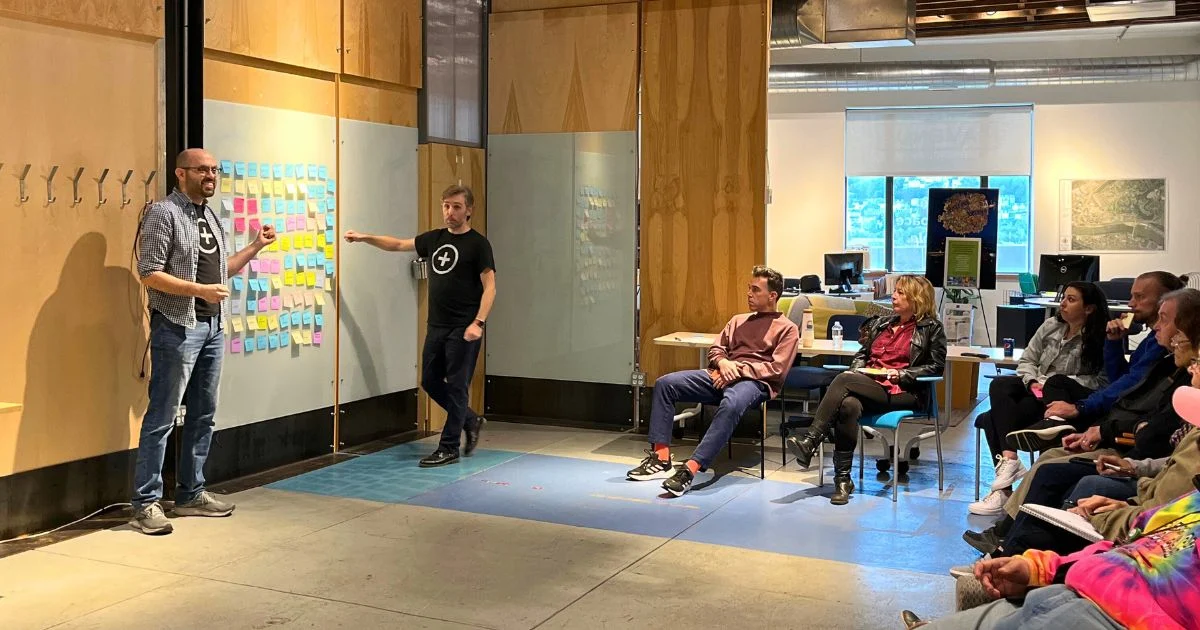

Curriculum Innovation & Educational Leadership
-
Designed and launched multi-institutional mentorship programs (Momentum, Baseline)
-
Developed an 8-week advanced digital marketing course centered on real-world nonprofit consulting
-
Integrated AI, gamification, and data-driven storytelling into classroom pedagogy
-
Advised student-run design studios and revenue-generating creative agencies
-
Regularly coach faculty and instructional designers on creative curriculum strategy
Student Impact
-
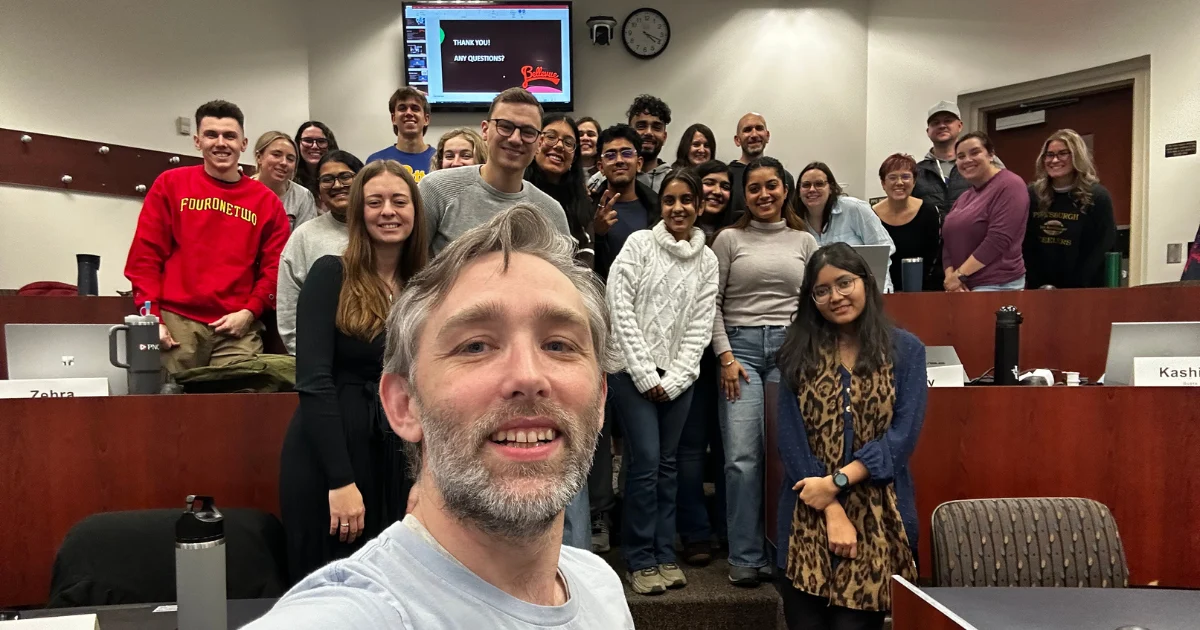
Advised thousands of students who now work at agencies, startups, universities, and Fortune 500 brands
-
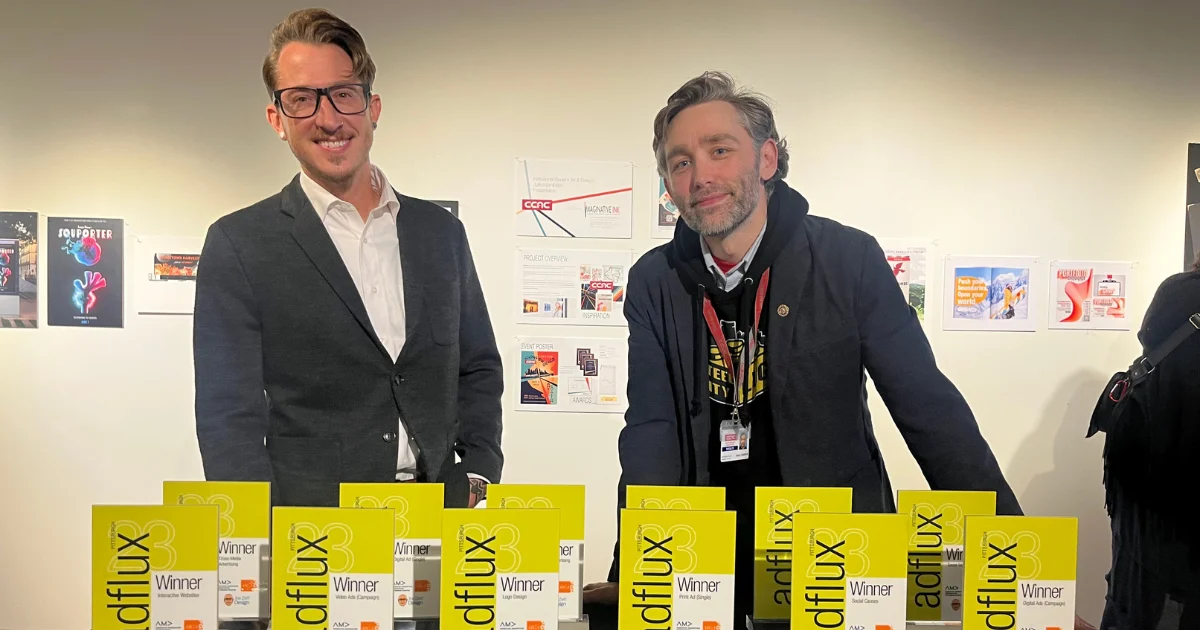
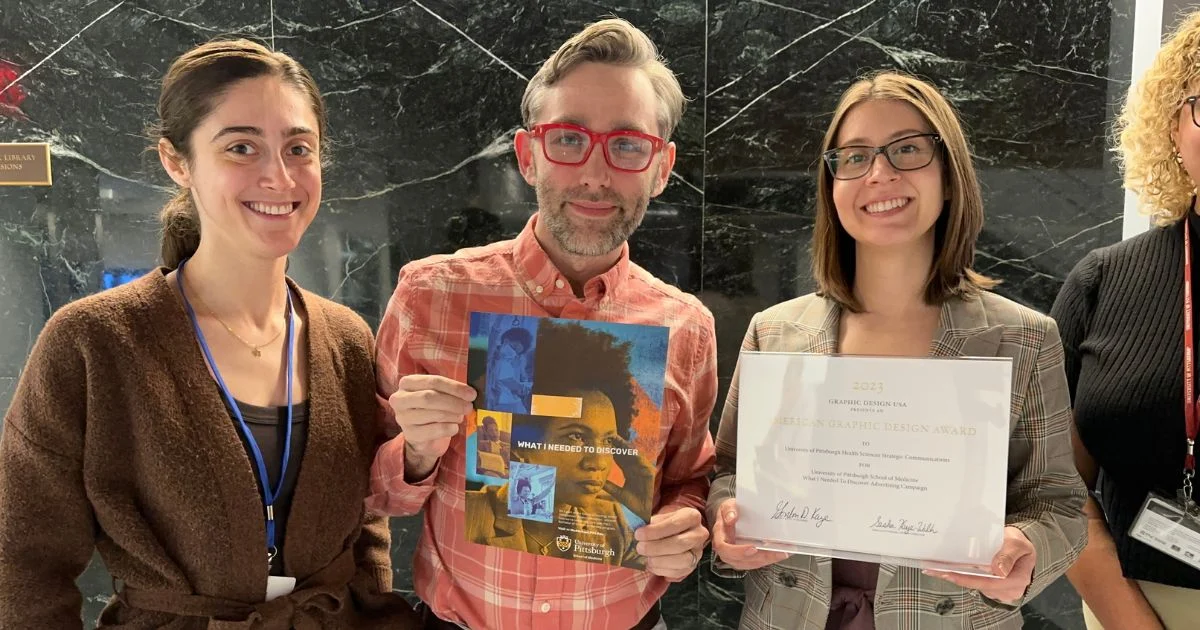
Mentored award-winning student work recognized by AIGA, AMA, and GDUSA
-
Consistently rated as a top-performing instructor by both students and departments
-
Advocate for culturally responsive teaching, accessibility, and inclusive creative practices
Teaching Philosophy
As an educator, I prioritize confidence, compassion, and growth. My goal is to equip students not only with technical skills but with a mindset that encourages them to use those skills in meaningful, forward-thinking ways. Teaching UX/UI is as much about the nuts and bolts of design as it is about opening students’ eyes to the broader impact they can have in the world. I ground them in solid, research-backed design practices while encouraging curiosity, adaptability, and compassion toward diverse user needs.
My courses are driven by an industry-focused approach that meets students where they are and takes them where they need to be. I emphasize hands-on learning, where students engage with creative problem-solving methodologies, usability testing, narrative building, and accessible design practices. Every lesson connects to real-world UX/UI applications—testing tools, wireframes, and prototypes that push them to think critically and creatively. As a guide (not just a lecturer), I help students develop the confidence to navigate complex design challenges with purpose and proficiency. By the end of each course, I aim for students to succeed as competent designers and as professionals who understand the weight and potential of their work.
Compassion means creating a classroom that values every voice and viewpoint. When students feel safe exploring ideas, they go beyond what’s “good enough” and start creating work that is resonant and relevant. I integrate critical approaches to UX/UI that underscore design’s social implications, focusing on accessibility, equity, and representation. Students explore projects that center on these issues—designing for accessibility, building narratives that reflect diverse experiences, and creating outcomes with societal value. Compassionate teaching is about being responsive to these issues and helping students understand the power of inclusive design.
In design, growth comes from getting comfortable with the uncomfortable—learning from setbacks, pushing through creative ruts, and knowing when to pivot. Building resilience in students starts with giving them the freedom to make and learn from mistakes. I take them through the entire problem-solving process, from identifying challenges to developing research-informed solutions. I encourage them to approach each project with fresh eyes, ensuring that each design decision aligns with user needs and broader social responsibilities. Growth isn’t just about skill; it’s about fostering a mindset that values empathy, flexibility, and accountability.
Diversity is a foundational core of my teaching—it’s an ongoing conversation, woven into everything we do. My aim is to have students think critically about who they’re designing for and why, particularly in areas of race, gender, disability, and beyond. I regularly bring diverse perspectives and inclusive practices into the curriculum to demonstrate how design shapes the lives of real people. When students understand design’s impact, they become thoughtful, socially conscious professionals who approach their work with integrity.
In short, my work is about building a bridge between creativity, skill, and social awareness. My role is to develop capable designers who understand that their choices have reach—within the industry and beyond. This philosophy is woven into every aspect of my teaching, practice, and leadership career.

Diversity Statement
As an educator and designer, fostering diversity, equity, and inclusion (DEI) is essential to academic success and personal growth. My commitment to DEI is rooted in the belief that an inclusive learning environment enables students to see themselves as valuable contributors, innovators, and agents of positive change. In my teaching, I emphasize that diverse perspectives and experiences drive creativity, empathy, and adaptability—qualities that shape meaningful, impactful design.
In my classroom, I actively work to create a culture that values every voice and considers the unique needs of each student. My teaching approach emphasizes understanding the broader social impact of design, especially as it relates to underrepresented communities. This includes not only bringing in critical approaches to race, gender, and cultural representation but also focusing on the disabled community—a group whose diverse needs often go unseen or misunderstood. As a person with an invisible disability, I am acutely aware of the need for inclusive practices that consider accessibility beyond physical accommodations, including the often-overlooked nuances of cognitive, emotional, and sensory differences.
In my courses, I encourage students to think critically about how design choices affect people with disabilities, emphasizing accessibility as a core component of ethical design. This includes projects centered on creating accessible and user-friendly experiences, specifically in coding, assistive technology, and design solutions that respect and celebrate all users. By encouraging students to explore and challenge their own assumptions, I aim to foster a classroom where accessibility is not just a requirement but a shared responsibility.
Diversity in design also requires us to think beyond traditional approaches and to welcome interdisciplinary perspectives. Drawing from fields such as business, communications, and marketing, I teach students to design inclusively while considering the social, ethical, and economic implications of their work. I am committed to equipping students with both the skills and the sensitivity to create products, narratives, and experiences that resonate across communities and reflect our shared responsibility to one another.
My vision for inclusive teaching extends to how I support my students. I recognize that for many—including those with invisible disabilities—the path through higher education can be uniquely challenging. I strive to create an environment where all students feel safe, understood, and empowered to pursue their goals. Through transparent communication, flexible learning methods, and individualized support, I work to ensure that every student has the opportunity to thrive.
Overall, my commitment to DEI is to foster an academic and professional environment where diverse voices are heard, valued, and empowered. This work is an ongoing journey requiring continuous reflection, empathy, and advocacy. I hope to inspire students to not only design with inclusivity in mind but also see themselves as advocates for a more equitable, accessible world.


The Talks With Thompson Podcast
50+ Episodes – The podcast where marketing, communications, and design professionals talk about their career experiences with RJ Thompson, an award-winning designer, educator, entrepreneur, and marketing professional.
Spotify
Apple Music
Podchaser
Listen Notes
YouTube (Video)
Transistor
Let’s Collaborate
I’m always open to building new connections in education, design, and strategy. Whether you’re looking for a dynamic guest lecturer, a curriculum consultant, a workshop facilitator, or a partner for interdisciplinary research, I bring a practical, future-forward perspective grounded in both industry and academia. I’ve collaborated with faculty, nonprofit leaders, and professional organizations to design programs, advise student projects, and co-lead community-engaged learning experiences.
Let’s explore how we can build something meaningful together—on campus, online, or in the field.
Want to learn more?
Building Creative Futures
With over 16 years of teaching experience across seven institutions, my academic journey spans community colleges, public universities, private institutions, and R1 research centers. I’ve designed and taught more than 100 courses in graphic design, web design, digital marketing, emerging media, and interactive storytelling—reaching nearly 2,000 students from diverse backgrounds and disciplines. My classrooms have included first-generation college students, graduate researchers, adult learners, and creative professionals refining their craft. This breadth has sharpened my ability to teach flexibly, mentor empathetically, and adapt curriculum to meet the evolving needs of today’s learners and tomorrow’s industries.